Wondering whether to plant roots in Three Forks or Bozeman? It is a common question for buyers who want Southwest Montana access but are trying to balance budget, space, commute, and day-to-day lifestyle. The good news is that both places offer real advantages, and the better fit usually comes down to how you want to live. Let’s break it down so you can choose your Montana home base with more clarity.
Start With Lifestyle Fit
If you are deciding between Three Forks and Bozeman, the biggest difference is scale. Three Forks is a much smaller community, with 1,989 people counted in 2020, while Bozeman’s July 2024 population estimate was 57,894. The Three Forks city plan also identifies Bozeman as the urban core of the area.
That difference shapes almost everything else. In Three Forks, your day may feel quieter, more spread out, and more connected to open land and river access. In Bozeman, you are more likely to have a larger in-town network of services, neighborhoods, housing choices, and recreation close at hand.
Neither option is automatically better. The right choice depends on whether you value space and a slower pace more, or whether you want a more built-out city environment with more options nearby.
Compare Home Prices
For many buyers, price is where the conversation starts. As of April 2026, the median listing price in Three Forks was $592,000, compared with $779,000 in Bozeman. Median sold prices showed a similar gap, at $512,245 in Three Forks and $620,802 in Bozeman.
That means Three Forks is cheaper on current medians. If your goal is to stretch your budget further, especially for a single-family home, land, or a larger lot, Three Forks may deserve a close look.
Rent follows the same pattern. Median rent was reported at $1,800 in Three Forks versus $2,199 in Bozeman, which is a $399 difference. If you are planning to rent before you buy, or comparing ownership costs with rental costs, that gap matters.
Look At Inventory And Choice
Price is only one part of the decision. Inventory can shape your experience just as much, especially if you want a specific home style or need flexibility in your search.
Bozeman has far more inventory. Realtor.com market summaries show 749 homes for sale in Bozeman compared with 51 in Three Forks. On the rental side, Bozeman had 860 rental properties listed, while Three Forks had just 5.
That means Bozeman gives you many more options. If you want to compare condos, townhomes, multifamily homes, new construction, mobile homes, farms, land, and single-family homes in one market, Bozeman offers a much broader mix.
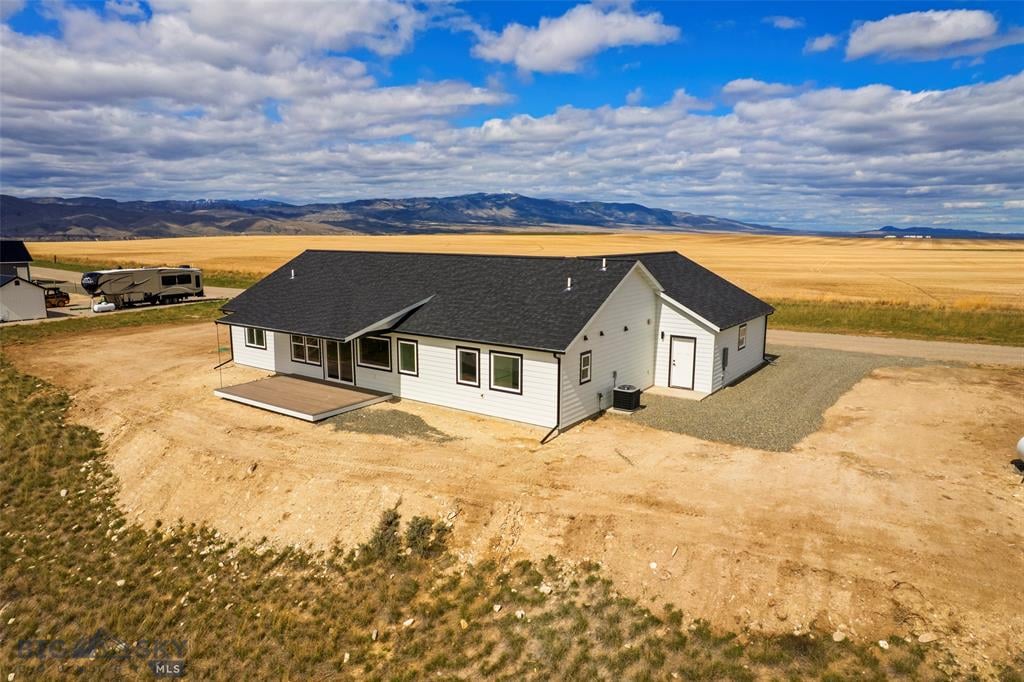
Three Forks is more limited, but that can be part of the appeal. The city plan says most local housing is single-family, with limited multifamily stock, and current listings include land parcels and larger-acreage homes. If you are looking for room to spread out rather than a long list of housing types, Three Forks may line up better with your goals.
Understand How Fast Homes Move
Even though both markets are currently described as buyer’s markets, they do not move at the same pace. Bozeman’s median days on market was 54, while Three Forks came in at 87. That is about 33 days longer in Three Forks.
This can matter in a few ways. In Bozeman, homes tend to move faster, so you may need to make decisions more quickly when the right property appears. In Three Forks, you may have a little more breathing room, although limited inventory can still make the right property feel competitive.
Sale-to-list ratios are fairly similar in both places. Homes were selling about 3.23% below asking in Three Forks and about 3.38% below asking in Bozeman. That suggests the bigger difference between these markets is not simply negotiation leverage, but the mix of available homes and the number of choices you have.
Think About Your Daily Drive
Commute is often the make-or-break factor in this decision. Three Forks sits on I-90, and the city plan says Bozeman is about 30 miles east, or roughly 25 minutes away by car under typical conditions.
That sounds manageable for many buyers, and for some people it absolutely is. The same city plan notes that many Three Forks residents work outside the area and a large percentage commute to Bozeman. It also says Three Forks is not a major employment center, which makes that commute part of the normal pattern for many households.
Bozeman offers a different setup. Census data shows a mean travel time to work of 15.5 minutes in Bozeman, which points to a more self-contained daily routine for many residents. If you want shorter drives and more jobs and services close to home, Bozeman may be the easier fit.
A helpful way to frame it is this:
- Choose Three Forks if you are comfortable trading a longer drive for more space and a smaller-town base.
- Choose Bozeman if you want to keep more of your daily life close to home.
Match The Housing Stock To Your Goals
The type of property you want should play a big role in your decision. Three Forks and Bozeman do not just differ in price. They differ in what is commonly available.
The Three Forks city plan says most homes are single-family units built between 1980 and 2000, with a notable share built before 1940. It also notes limited multifamily housing and growth constraints tied to floodplain issues, limited building lots, and water supply.
Those details matter because they shape what you are likely to find. In Three Forks, you may see more homes with land, larger lots, and a more rural setting. That can be especially appealing if you want acreage, privacy, outbuildings, or a lifestyle that feels a little farther from the urban core.
Bozeman offers a wider housing mix. For-sale categories there include condos, townhomes, multifamily homes, mobile homes, farms, land, single-family homes, and new construction. If you want variety, or if your housing needs are more specific, Bozeman may make your search easier.
Compare Recreation And Day-To-Day Feel
Where you live is not only about the house. It is also about what your free time looks like and how your community feels when you are not working.
Three Forks has a strong river-and-trail identity. The city plan highlights Missouri Headwaters State Park, a 532-acre site where the Jefferson, Madison, and Gallatin Rivers meet to form the Missouri River. It also notes campsites, tipi rentals, paved trails, and activities like floating, kayaking, canoeing, fishing, photography, and wildlife viewing.
The same plan describes the Headwaters Trail System as roughly 12 miles of paved trail. If you are drawn to a quiet home base with easy river access and a strong connection to open landscapes, Three Forks has a distinct appeal.
Bozeman offers more in-town recreation options at a larger scale. The City of Bozeman says its parks division maintains neighborhood, community, pocket, and linear parks and trails. Story Mill Community Park alone is a 60-acre park with trails, boardwalks, and wildlife-viewing areas, and the nearby Hyalite Recreation Area provides another major recreation corridor south of town.
In simple terms, Three Forks feels smaller and more rural. Bozeman feels larger, more layered, and more built out. Your best fit depends on whether you want your recreation to feel close to river corridors and open land, or embedded in a larger city-and-mountain network.
A Simple Way To Choose
If you are still torn, ask yourself a few practical questions:
- Do you want more house or land for your money?
- Are you comfortable with a 25-minute drive into Bozeman?
- Do you need a wide range of housing choices?
- Would you rather live in a small-town setting or a larger city environment?
- Is acreage or a larger lot high on your wish list?
In many cases, the pattern is clear. Three Forks often makes sense for buyers who want affordability relative to Bozeman, more space, and a quieter small-town base. Bozeman often makes sense for buyers who want more inventory, more rentals, more services, and a shorter everyday commute.
The good news is that you do not have to guess your way through it. Walking through your budget, property goals, and daily routine can usually narrow the answer quickly.
Choosing between Three Forks and Bozeman is not just a market decision. It is a lifestyle decision. If you want help sorting through the tradeoffs, comparing real options, and finding the right fit for how you actually live, reach out to Bronda Bowery.
FAQs
Is Three Forks cheaper than Bozeman for homebuyers?
- Yes. As of April 2026, the median listing price was $592,000 in Three Forks versus $779,000 in Bozeman, and median sold prices were also lower in Three Forks.
Is the Three Forks commute to Bozeman realistic?
- Yes, for many buyers. The Three Forks city plan says Bozeman is about 30 miles away, or roughly 25 minutes by car under typical conditions, and many Three Forks residents commute outside the area.
Does Bozeman have more homes for sale than Three Forks?
- Yes, by a wide margin. Realtor.com market summaries show 749 homes for sale in Bozeman compared with 51 in Three Forks.
Is Three Forks better for acreage properties?
- It can be, especially if you want land or a larger-lot setting. Current listings and the city plan both point to land parcels, single-family homes, and larger-acreage opportunities in and around Three Forks.
Is Bozeman better if you want more housing types?
- Yes. Bozeman’s market includes condos, townhomes, multifamily homes, mobile homes, farms, land, new construction, and single-family homes, giving you more variety during your search.
Which town feels more small-town in Gallatin County?
- Three Forks has the smaller-town feel. Its population was 1,989 in 2020, while Bozeman’s July 2024 population estimate was 57,894, making Bozeman the much larger urban center in the area.